Trezor Login: A Complete Guide
In the rapidly growing world of cryptocurrency, the security of digital assets is of utmost importance. Among the various tools designed to provide maximum security, Trezor stands out as one of the most popular hardware wallets. Trezor provides users with a secure way to store and manage their cryptocurrencies, and accessing this system safely through Trezor Login is crucial. This guide will provide an in-depth look at Trezor Login, how it works, the steps involved, and best practices for maintaining security.
Understanding Trezor
Trezor is a hardware wallet developed by SatoshiLabs, designed to store private keys offline. Unlike software wallets, which can be vulnerable to hacking and malware attacks, Trezor wallets ensure that your private keys never leave the device. This makes it one of the safest options for cryptocurrency storage. The wallet supports a wide range of cryptocurrencies including Bitcoin, Ethereum, and many altcoins.
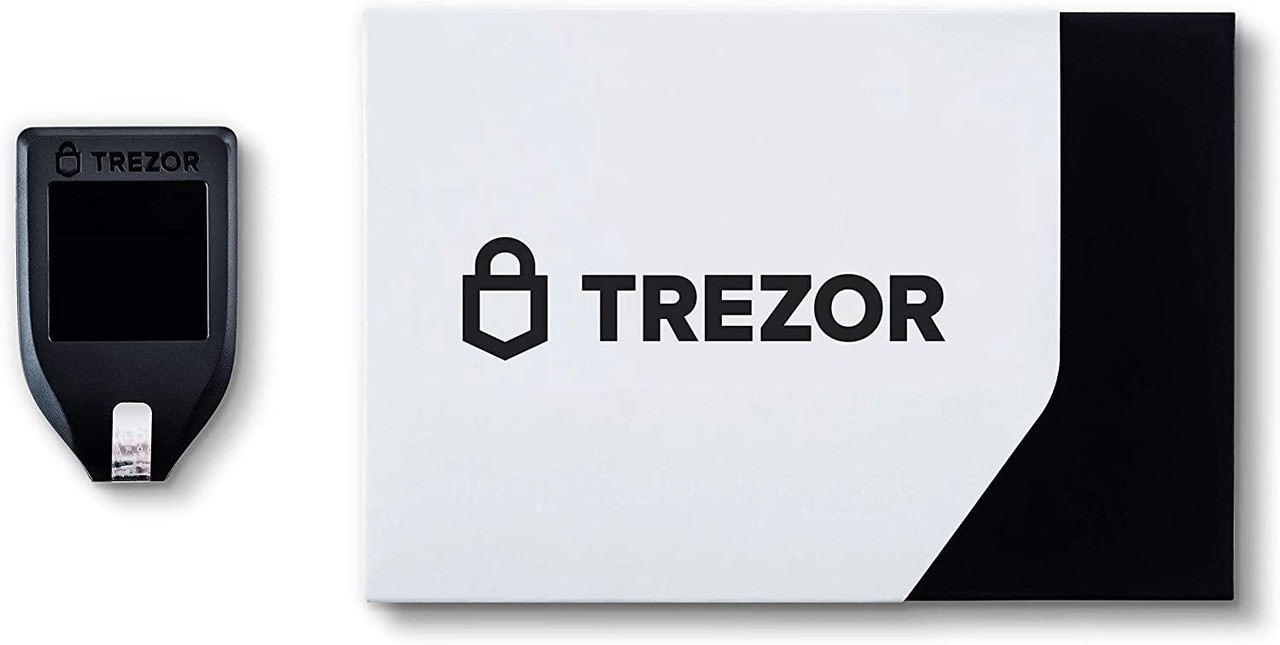
The Trezor device itself is compact and portable, with a screen and buttons that allow users to confirm transactions manually. This setup ensures that even if a connected computer is compromised, the hacker cannot access your funds.
What is Trezor Login?
Trezor Login is the process by which a user gains access to their Trezor wallet interface, usually through Trezor Suite. It is not just a simple username and password system; it incorporates multiple layers of security to protect digital assets. Users access their wallets through the Trezor device, combined with the Trezor Suite application, which can be installed on a desktop or accessed via a web interface.
Unlike typical logins on websites or apps, Trezor Login involves both the hardware wallet and the interface software. The process requires physical access to the Trezor device and knowledge of the PIN set up by the user. This combination ensures that even if someone has stolen your computer or Trezor device, they cannot access your funds without the correct PIN.
The Importance of Trezor Login Security
Security is the primary concern in cryptocurrency management. Hackers often target wallets with weak security practices, including reused passwords, weak PINs, and lack of two-factor authentication. Trezor addresses these concerns through:
PIN Protection: Users set a PIN for their Trezor device during initial setup. This PIN is required every time the device is connected and used, ensuring unauthorized access is prevented.
Passphrase Option: For added security, Trezor offers a passphrase feature, which acts as a 25th word to your recovery seed. Even if someone gets hold of your seed phrase, without the passphrase, they cannot access your funds.
Offline Storage: Since private keys are stored offline, malware or keyloggers on your computer cannot access your funds directly.
Transaction Verification: Each transaction initiated through Trezor must be verified physically on the device. This ensures that malware on the computer cannot alter transaction details without your approval.
Steps for Trezor Login
The process of logging into your Trezor wallet is straightforward but must be performed carefully to maintain security.
Connect the Trezor Device: Start by connecting your Trezor device to your computer via USB. Make sure the cable and port are secure.
Open Trezor Suite: Launch the Trezor Suite application. If you haven’t installed it yet, download the official version from Trezor’s website. Avoid third-party downloads to prevent malware risks.
Enter PIN: Once connected, the Trezor device will prompt you to enter your PIN. The screen on the device displays a scrambled number pad. This ensures that even if someone watches your screen or uses a keylogger, they cannot easily guess your PIN.
Unlock Wallet: After entering the correct PIN, the device will unlock, and Trezor Suite will display your wallet interface. You can now view balances, send and receive cryptocurrencies, and manage accounts.
Optional Passphrase: If you have enabled a passphrase, you will need to enter it at this stage. This adds an extra layer of security, particularly for users holding significant assets.
Trezor Login for New Users
For first-time users, the login process starts after initial device setup:
Initialize Trezor: When you first receive a Trezor device, you must initialize it. This involves choosing a PIN and generating a recovery seed.
Backup Recovery Seed: Trezor generates a 24-word recovery seed. This is critical for recovering your wallet in case the device is lost or damaged. The recovery seed should never be stored digitally; write it down and store it securely offline.
Install Trezor Suite: Download and install the Trezor Suite application on your computer or access the web version.
Login via Trezor Device: Connect the device, enter the PIN, and access your wallet. New users may also set up optional security measures like a passphrase at this stage.
Common Issues During Trezor Login
Even with a straightforward process, users may encounter issues while logging in. Some common issues include:
Incorrect PIN: Repeatedly entering the wrong PIN will lock the device temporarily. The lockout period increases with each failed attempt. Trezor devices are designed to prevent brute-force attacks.
Firmware Issues: Outdated firmware can cause connectivity issues. Ensure your Trezor device firmware is up to date.
USB Connection Problems: Faulty cables or ports can prevent proper communication between the device and computer. Always use the original cable or a high-quality replacement.
Browser Compatibility: If using the web-based Trezor Suite, ensure your browser is compatible and up to date. Chrome and Firefox are generally recommended.
Trezor Suite Interface
Once logged in, Trezor Suite provides a comprehensive interface for managing your cryptocurrency. Key features include:
Dashboard: Displays all assets and balances in one place.
Accounts Management: Allows users to create and manage multiple cryptocurrency accounts.
Send and Receive: Enables secure sending and receiving of cryptocurrencies with transaction verification on the device.
Exchange Services: Some versions of Trezor Suite integrate with exchange platforms, allowing users to trade directly from the wallet.
Security Settings: Users can update PINs, manage passphrases, and perform firmware updates from the suite.
Maintaining Trezor Login Security
To maximize security while using Trezor Login, users should follow best practices:
Never Share Your PIN: Your PIN is essential to unlocking the device. Keep it private at all times.
Use Passphrases: For enhanced security, always enable a passphrase. Choose a strong, memorable phrase.
Keep Recovery Seed Secure: Your 24-word recovery seed is the key to your funds. Store it offline in a secure location.
Regular Firmware Updates: Firmware updates patch vulnerabilities and improve device functionality. Always update through official Trezor sources.
Avoid Public Computers: Never connect your Trezor to public or untrusted computers.
Beware of Phishing Attacks: Always access Trezor Suite from official channels. Do not click on unsolicited links or emails claiming to be Trezor support.
Trezor Login for Advanced Users
Advanced users can leverage additional features:
Multiple Wallets: Trezor supports multiple wallets and accounts within the same device. Each can have unique security settings.
Shamir Backup: Trezor offers an advanced backup method called Shamir Backup, which splits your recovery seed into multiple parts. You can recover your wallet using a subset of these parts.
Third-Party Integrations: Trezor is compatible with third-party wallets and applications like Electrum and MyEtherWallet. Login procedures may vary slightly when using these tools.
Cold Storage: Advanced users often use Trezor as part of a cold storage solution. The wallet is only connected to the internet when making transactions, further securing assets.
Troubleshooting Trezor Login Problems
Despite the security measures, users may face difficulties. Here are some troubleshooting tips:
Device Not Recognized: Ensure the device is properly connected. Try a different USB port or cable.
PIN Not Working: If you forgot your PIN, the only solution is to reset the device and restore using your recovery seed. This is why keeping the seed secure is essential.
Firmware Update Errors: Make sure the Trezor Suite is up to date. Disconnect other USB devices to avoid interference.
Browser Issues: Clear cache or try a different browser if the Trezor Suite web version fails to load.
Future of Trezor Login
As cryptocurrency adoption increases, Trezor continues to improve its login and security protocols. Features such as biometric verification and multi-factor authentication may become standard in future devices. However, the core principle of keeping private keys offline will remain central to Trezor’s design.
Conclusion
Trezor Login is more than just a simple access point; it is a gateway to secure cryptocurrency management. Understanding how it works, the steps involved, and best practices ensures that users can safely manage their digital assets. From setting a secure PIN to utilizing passphrases and backups, every step contributes to protecting your funds. By adhering to security guidelines and using Trezor’s features effectively, users can enjoy the benefits of cryptocurrency with confidence, knowing their assets are safe from online threats.
Trezor continues to be a trusted solution for both beginners and advanced users who value security. Whether you are just starting your crypto journey or managing large digital portfolios, understanding Trezor Login is essential for safe and efficient wallet management.